

Loke Bole Bole Re (Oh, They Say)
Hason Raja was born in 1854, into a wealthy landlord's family in Sylhet. In his youth, he lived a life of luxury. He had everything— money, comfort and pleasure. [১৮৫৪ সালে সিলেটের এক ধনী জমিদার পরিবারে হাছন রাজার জন্ম। যৌবনে তিনি বিলাসবহুল জীবনযাপন করতেন। তাঁর কাছে সবকিছুই ছিল - অর্থ, আরাম এবং আনন্দ।]
However, at one point in his life, he began to feel that these material possessions were meaningless. He gave away all of his properties, and started to think deeply about the Creator, life, death and mankind. He wrote about a thousand songs which reflected his thoughts. In his songs he called himself 'Crazy Hason Raja' or the 'Pagla Hason Raja'. [যাইহোক, জীবনের এক পর্যায়ে তিনি অনুভব করতে শুরু করেন যে এই বস্তুগত সম্পদ অর্থহীন। তিনি তার সমস্ত সম্পত্তি ত্যাগ করেন এবং স্রষ্টা, জীবন, মৃত্যু এবং মানবজাতি সম্পর্কে গভীরভাবে চিন্তা করতে শুরু করেন। তিনি প্রায় এক হাজার গান লিখেছিলেন যা তাঁর চিন্তাভাবনার প্রতিফলন ঘটায়। তাঁর গানে তিনি নিজেকে 'পাগল হাছন রাজা' বা 'পাগলা হাছন রাজা' বলে অভিহিত করেছিলেন।]
In his poem “Loke Bole Bole Re (Oh, They Say)”, he speaks about life, the soul, and how people judge from the outside, while the true meaning of life lies within. [তাঁর "লোকে বোলে বোলে রে (ওহ, তারা বলে)" কবিতায় তিনি জীবন, আত্মা এবং কীভাবে মানুষ বাইরে থেকে বিচার করে, যখন জীবনের আসল অর্থ ভেতরে নিহিত থাকে, সে সম্পর্কে কথা বলেছেন।]
Loke Bole Bole Re
-Hason Raja
Oh, They say my house is no good, But what can I build with nothing here? [লোকে বলে বলেরে ঘর-বাড়ি ভালা না আমার, কী ঘর বানাইমু আমি শূণ্যেরও মাঝার?]
Word Meaning:
Paraphrase [সংক্ষেপ]:
People say that Hason Raja's house is not good. They blame that it is poor and useless. But how can he make a good house when he has nothing? [মানুষ বলে যে হাছন রাজার বাড়ি ভালো নয়। তারা দোষ দেয় যে এটি দরিদ্র এবং অকেজো। কিন্তু যখন তার কিছুই নেই তখন তিনি কীভাবে একটি ভালো বাড়ি তৈরি করতে পারেন?]
The hidden meaning is that society judges a person by his wealth and property. They do not know that people are helpless and they have no real power in this world. Everything depends on Allah. So, he asks a sad question—how can he build something great with nothing? [লুকানো অর্থ হল সমাজ একজন ব্যক্তিকে তার সম্পদ এবং সম্পত্তি দিয়ে বিচার করে। তারা জানে না যে মানুষ অসহায় এবং এই পৃথিবীতে তাদের কোন প্রকৃত ক্ষমতা নেই। সবকিছুই আল্লাহর উপর নির্ভর করে। তাই তিনি একটি দুঃখজনক প্রশ্ন করেন - তিনি কীভাবে কিছুই না করে মহান কিছু তৈরি করতে পারেন?]
Yet how long will I truly stay? [ভালা কইরা ঘর বানাইয়া কয়দিন থাকমু আর?]
Word Meaning:
- erect নির্মাণ করা build or construct
Paraphrase [সংক্ষেপ]:
Hason Raja would build a house, but how long will he live in it? [হাসন রাজা একটি বাড়ি তৈরি করবেন, কিন্তু তিনি কতদিন সেখানে থাকবেন?]
Here, the poet thinks about life’s short duration. Even if someone builds a big house, life is temporary. Death can come at any time. So, the poet reminds us that worldly success is not permanent. This stanza teaches that humans should not be proud of wealth or property. [এখানে, কবি জীবনের স্বল্পস্থায়ীত্ব সম্পর্কে চিন্তা করেন। কেউ যদি একটি বড় বাড়ি তৈরি করে, জীবন ক্ষণস্থায়ী। মৃত্যু যেকোনো সময় আসতে পারে। তাই, কবি আমাদের মনে করিয়ে দেন যে পার্থিব সাফল্য স্থায়ী নয়। এই স্তবকটি শিক্ষা দেয় যে মানুষের সম্পদ বা সম্পত্তি নিয়ে গর্ব করা উচিত নয়।]
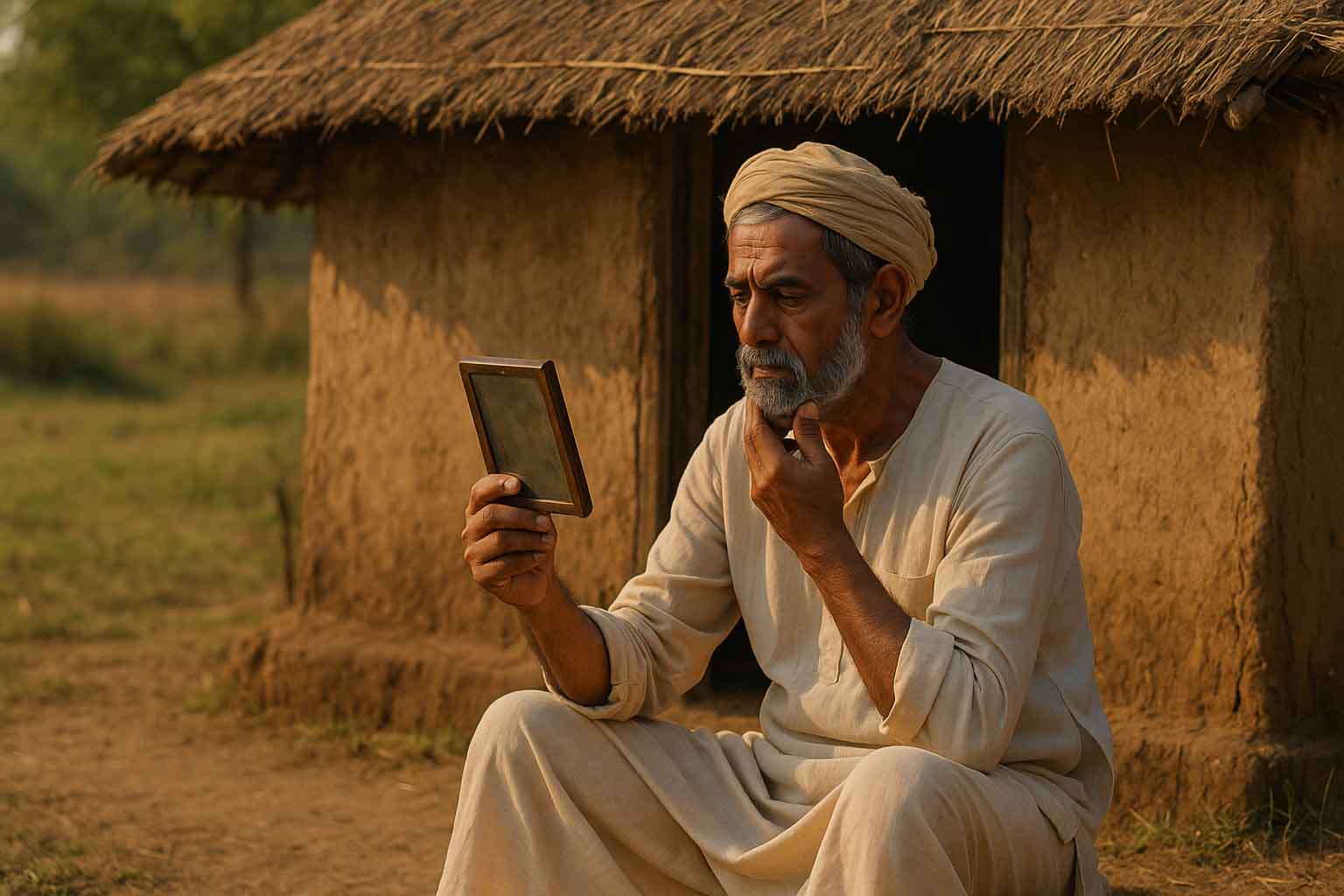
I gaze into the mirror, Noticing the strands of grey in my hair. [আয়না দিয়া চাইয়া দেখি পাকনা চুল আমার।]
Word Meaning:
- strands রেখা, গুচ্ছ thin pieces or threads (like hair)
- mirror আয়না glass that reflects your image
Paraphrase []:
Hason Raja looks at himself in the mirror and sees his hair turning grey. Here grey hair is a symbol of old age. The poet suddenly realizes that time is passing very fast. Old age has come and death is near. [হাসন রাজা আয়নায় নিজেকে দেখেন এবং তার চুল ধূসর হতে দেখেন। এখানে ধূসর চুল বার্ধক্যের প্রতীক। কবি হঠাৎ বুঝতে পারেন যে সময় খুব দ্রুত চলে যাচ্ছে। বার্ধক্য এসে গেছে এবং মৃত্যু নিকটবর্তী।]
Thinking of this, Hason Raja never built a dwelling. [এ ভাবিয়া হাসন রাজা ঘর-দুয়ার না বান্ধে]
Word Meaning:
- dwelling বসতবাড়ি a place to live in
Paraphrase []:
Thinking about death and old age, Hason Raja never build a permanent house. This means that worldly life is meaningless. So, he cared more about spiritual life than material comfort. He believed that the world is not a permanent place. [মৃত্যু এবং বার্ধক্যের কথা চিন্তা করে, হাসন রাজা কখনও স্থায়ী ঘর তৈরি করেন না। এর অর্থ হল পার্থিব জীবন অর্থহীন। তাই, তিনি বস্তুগত আরামের চেয়ে আধ্যাত্মিক জীবনের প্রতি বেশি যত্নবান ছিলেন। তিনি বিশ্বাস করতেন যে পৃথিবী কোনও স্থায়ী স্থান নয়।]
Where will Allah take him? Where will he find rest? This uncertainty brings him to tears. [কোথায় নিয়া রাখব আল্লায় তাই ভাবিয়া কান্দে।]
Word Meaning:
- uncertainty অনিশ্চয়তা not knowing what will happen
- tears অশ্রু drops of water from eyes (crying)
Paraphrase []:
He wonders where Allah will take him after death. This fear makes him emotional and humble before Allah. It shows his deep faith and repentance. [তিনি ভাবছেন মৃত্যুর পর আল্লাহ তাকে কোথায় নিয়ে যাবেন। এই ভয় তাকে আল্লাহর সামনে আবেগপ্রবণ এবং বিনয়ী করে তোলে। এটি তার গভীর বিশ্বাস এবং অনুতাপের প্রতিফলন।]
If only Hason Raja had known his days, He would have painted his rooms in vibrant hues, [জানত যদি হাসন রাজা বাঁচব কতদিন বানাইত দালান-কোঠা করিয়া রঙিন।]
Word Meaning:
- vibrant hues উজ্জ্বল রঙ bright and lively colors
Paraphrase []:
If Hason Raja had known how many days he would live, he would have decorated his house beautifully. [যদি হাসন রাজা জানতেন যে তিনি কত দিন বেঁচে থাকবেন, তাহলে তিনি তার ঘর সুন্দরভাবে সাজাতেন।]
This stanza expresses regret. The poet says that humans never know how long they will live. If he knew the exact time, he might have lived differently. It teaches that life is uncertain, and we should live wisely. [এই স্তবকটি অনুশোচনা প্রকাশ করে। কবি বলেছেন যে মানুষ কখনই জানে না যে তারা কতদিন বেঁচে থাকবে। যদি তিনি সঠিক সময় জানতেন, তাহলে তিনি হয়তো ভিন্নভাবে বেঁচে থাকতেন। এটি শিক্ষা দেয় যে জীবন অনিশ্চিত, এবং আমাদের বুদ্ধিমানের সাথে জীবনযাপন করা উচিত।]
Oh, They say my house is no good, But what can I build with nothing here?
Word Meaning:
Paraphrase []:
Again, people complain about his poor house, but he still has nothing to build with. [আবারও, মানুষ তার দরিদ্র ঘর সম্পর্কে অভিযোগ করে, কিন্তু তার এখনও গড়ে তোলার মতো কিছুই নেই।]
The repetition strengthens the poet’s message. It shows that worldly judgment does not matter. What matters is spiritual truth, not people’s opinions. The poem ends with humility and acceptance of human limitation. [পুনরাবৃত্তি কবির বার্তাকে শক্তিশালী করে। এটি দেখায় যে পার্থিব বিচার গুরুত্বপূর্ণ নয়। যা গুরুত্বপূর্ণ তা হল আধ্যাত্মিক সত্য, মানুষের মতামত নয়। কবিতাটি নম্রতা এবং মানুষের সীমাবদ্ধতার গ্রহণযোগ্যতা দিয়ে শেষ হয়।]
Theme of the Poem [কবিতার বিষয়বস্তু]
The main theme of the poem is the temporary nature of human life (জীবনের অস্থায়িত্ব).
Hason Raja tells us that:
• Human life is short
• Death is certain
• Worldly things like houses, wealth, and beauty are temporary
• So, instead of focusing only on material things (ঘরবাড়ি, সম্পদ), a person should think about Allah, the soul, and the life after death.
[কবিতার মূল বিষয়বস্তু হল মানব জীবনের অস্থায়ী প্রকৃতি।
হাসন রাজা আমাদের বলেন যে:
- মানুষের জীবন সংক্ষিপ্ত
- মৃত্যু নিশ্চিত
- ঘরবাড়ি, সম্পদ এবং সৌন্দর্যের মতো পার্থিব জিনিসগুলি ক্ষণস্থায়ী
তাই, কেবল বস্তুগত জিনিসের উপর মনোনিবেশ না করে, একজন ব্যক্তির উচিত আল্লাহ, আত্মা এবং মৃত্যুর পরবর্তী জীবন সম্পর্কে চিন্তা করা।]
Questions & Answers
1. Who wrote the poem Loke Bole Bole Re?
- Hason Raja wrote the poem Loke Bole Bole Re. He was a famous mystic poet of Bangladesh. He wrote many songs about life, soul, and God.
2. What do people say about Hason Raja’s house?
- People say that his house is not good or beautiful. They think his house looks poor and simple.
3. Why can’t he build a new house?
- The poet says he cannot make a new house because he has nothing here. This shows human helplessness. A person comes into this world with nothing and cannot create anything permanent.
4. What does he see when he looks in the mirror?
- The poet looks at himself in the mirror and sees grey hair on his head. Grey hair is a symbol of old age and time passing quickly. It also means that death is getting closer.
5. What does the grey hair mean in the poem?
- The poet looks at himself in the mirror and sees grey hair on his head. Grey hair is a symbol of old age and time passing quickly. It also means that death is getting closer.
6. Why does he not build a big house?
- The poet looks at himself in the mirror and sees grey hair on his head. Grey hair is a symbol of old age and time passing quickly. It also means that death is getting closer.
- He thinks there is no use in building a house because life is short. He knows he cannot live there for long.
7. Why does Hason Raja cry?
- He cries because he is unsure about his future. He does not know where Allah will take him after death or where he will rest.
8. What does the “house” really mean in the poem?
- The “house” is not just a real house made of wood or brick. It means our human life or body which is also temporary.
9. What lesson does the poem teach us?
- The poem teaches us that our life on earth is short. So, we should prepare our soul and do good deeds for the next life.
10. What would Hason Raja have done if he had known his days?
- If he had known how long he would live, he would have made his house beautiful. This means he would have lived a better and more meaningful life.
11. Why does the speaker (Hason Raja) express dissatisfaction with his house?
- The speaker (Hason Raja) expresses dissatisfaction with his house because people say his house is not good. He agrees that it is simple and not strong. But he does not care. He knows that life is short and man cannot live forever. So, this house is not very important to him.
12. Why does Hason Raja refrain from building a permanent home?
- Hason Raja refrains from building a permanent home because he knows life is short. One day he will die and leave this world. So, he thinks, “Why build a big house if I cannot stay here forever?” He wants to think about God instead of houses.
13. What uncertainty troubles Hason Raja?
- Hason Raja does not know when or where he will die. This makes him think a lot. He feels that people should not be proud of their houses or money, because they cannot take anything with them when they die.
14. What does Hason Raja’s song say about the value of material things?
- The song says that money, land, and houses are not very important. They make us happy for a short time, but they cannot give permanent peace and happiness. They will not go with us after death. Good work, truth, and faith in God are more important.
15. What is the central theme of the song “Oh, They Say My House Is No Good”?
- The song teaches that life on earth is short. We should not be proud of our house or wealth. We should live simply and honestly. Hason Raja says real happiness comes from loving God and doing good things.