Something Told the Wild Geese

Rachel Field is an American poet. He is known for writing simple yet thoughtful (চিন্তাশীল) poems about nature and life. His “Something Told the Wild Geese” is a short but meaningful রঅর্থপূর্ণ) nature poem (প্রকৃতি বিষয়ক কবিতা).

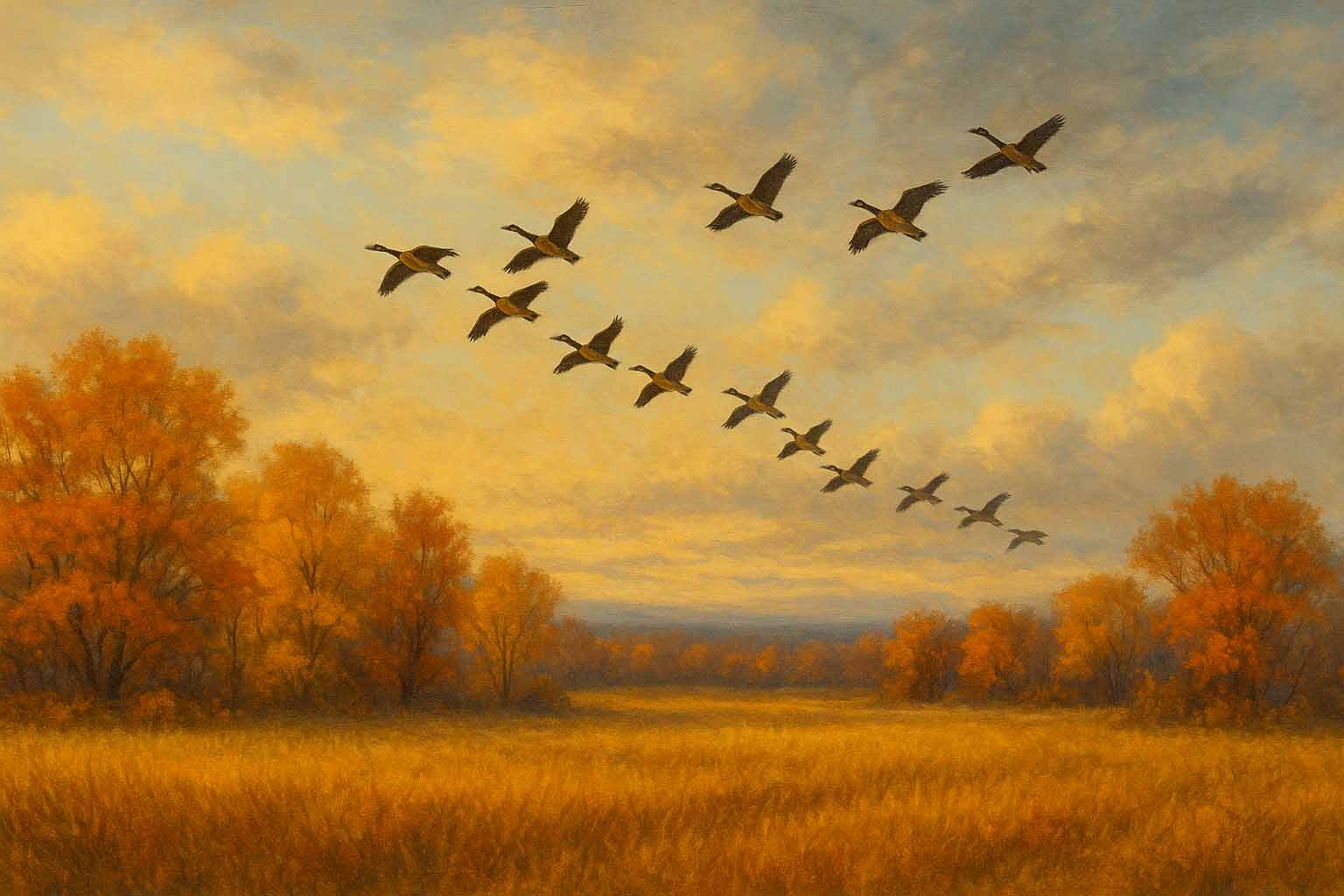
In this poem, the poet describes how wild geese know exactly (ঠিক ঠি ভাবে) when to migrate (এক যায়গা থেকে অন্য যায়গায় চলে যাওয়া) from warm lands to safer places before winter begins. Although nature around (চারপাশে) them still looks pleasant (আনন্দদায়ক)—golden fields  (সোনালী মাঠ), green leaves (সবুজ পাতা), ripe berries (পাকা বেরি ফল)—the geese feel an inner (অন্তরের) warning (সতর্ক বার্তা). This warning is not spoken aloud (উচ্চস্বরে বলা হয়নি); it is an instinct (সহজাত প্রবৃত্তি), a natural voice (প্রাকৃতিক কন্ঠস্বর) inside (ভেতরে) them that tells them danger (winter) is coming.

Through this simple scene (এই সাধারণ দৃশ্যের মাধ্যমে), the poet highlights (দৃষ্টিগোচর করা) an important idea: nature has its own wisdom (নিজস্ব বুদ্ধি), and living beings (জীবিত প্রাণিরা) often understand (বুঝতে পারে) future danger (ভবিশ্বত বিপদ) before it becomes visible (দৃশ্যমান হওয়ার আগে).

Stanza 1

Something told the wild geese (বন্য রাজহাঁস)

It was time to go.

Though the fields lay golden

Something whispered (ফিসফিস করে বলল), "snow".

🟩 Word Meaning:

  • Something: An inner voice or natural instinct, a mysterious natural signal
  • Geese (বুনো হাঁস): wild birds that fly in groups
  • Golden fields (সোনালি মাঠ): fields full of ripe crops
  • Whispered (ফিসফিস করে বলা): spoke very softly
  • Snow (তুষার): white frozen rain

Paraphrase:

Something (an inner voice or natural instinct) told the wild geese that it was time to leave their home. The fields still looked beautiful and golden after harvest. But a quiet warning told them that snow was coming soon.  [কিছু একটা (অন্তরের কন্ঠস্বর অথবা সহজাত প্রবৃত্তি) বুনো হাঁসদের বলল যে এখন যাওয়ার সময় হয়েছে। ফসল কাটার পরে মাঠ তখনও সুন্দর আর সোনালী ছিলো। কিন্তু একটা নিরব সতর্কতা তাদের বলল যে তাড়াতাড়ি শীত আসছে।]

Explanation of Metaphors & Deep Words: 

“Something told / whispered / cautioned”

  • Here the word 'something' stands for a mysterious natural signal. It represents instinct or the voice we hear in our hear. It is not a real sound, but a natural warning system.

    • The words “told / whispered / cautioned” are not a real sound, but a natural warning system.
    • Golden fields” is a symbol of beauty, abundance, and comfort. It shows that danger can exist even when things look safe.

    Stanza 2

    Leaves were green and stirring (নড়ছিল),

    Berries (ফলগুলো), lustre-glossed (ঝকঝকে উজ্জ্বল ছিল),

    But beneath (নিচে) warm feathers (উষ্ণ পালকের)

    Something cautioned (সতর্ক করে বলল), “frost (বরফ আসছে).”

    🟩 Word Meaning:

    • Stirring (দোলানো, নড়াচড়া করা) moving gently
    • Berries (ছোট ছোট ফল) small round fruits
    • Lustre-glossed (চকচকে, উজ্জ্বল) shiny, polished
    • Beneath (নিচে) under
    • Feathers (পালক) the soft covering of birds
    • Cautioned (সাবধান করা) warned
    • Frost (তুষারপাত, ঠান্ডা বরফ) thin ice on surfaces

    Paraphrase:

    The leaves were still green and moving in the breeze, and the berries were shiny and ripe. They showed that summer was still there. The world was still warm and lovely. Yet, under their warm feathers, the geese felt a warning that cold frost was approaching. [পাতাগুলো তখনো সবুজ ছিলো এবং সেগুলো মৃদু হাওয়ায় দুলছিলো, আর বেরি ফলগুলো ছিলো পাকা আর উজ্জ্বল। এটিতে বোঝা যাচ্ছিলো যে তখনও গ্রীষ্মকাল ছিলো। যায়গাটা তখনও ছিলো উষ্ণ আর মনোরম। তা সত্ত্বেও, হাসগুলো তাদের উষ্ণ পালকের নিচে একটা সতর্ক সংকেত অনুভব করলো যে হাড় হিম করা শীত আসছে।]

    The phrase “beneath warm feathers” shows that the warning is felt internally, it cannot be seen. ["উষ্ণ পালকের নীচে" বাক্যাংশটি দেখায় যে সতর্কতাটি অভ্যন্তরীণভাবে অনুভূত হয়, এটি দেখা যায় না।]

    Explanation of Metaphors & Deep Words: 
    • Beneath warm feathers” suggests an inner feeling or deep awareness which is not visible.
    • Frost” means cold weather or frozen dew. In this poem, it has also a deep metaphoric meaning.  Here frost means danger. The birds realize that frost is coming. It indicates that if they do not leave the place in time, they will fall in danger.

    Stanza 3

    All the sagging (ঝুলে পড়া) orchards (ফলের বাগানগুলো)

    Steamed (ভরে ছিল) with amber (অ্যাম্বার রঙের) spice (মিষ্টি ঘ্রাণে),

    But each wild breast (বন্য রাজহাঁসের বুক) stiffened (শক্ত হয়ে উঠল)

    At remembered ice (আগের শীতের বরফের স্মৃতিতে).

    🟩 Word Meaning:

    • Sagging নুয়ে পড়া (bending down from weight)
    • Orchards ফলের বাগান (gardens of fruit trees)
    • Amber সোনালি-বাদামি রঙ (yellow-brown color)
    • Spice মসলা, গন্ধ (pleasant strong smell)
    • Stiffened শক্ত হয়ে যাওয়া (became hard or tense)
    • Remembered মনে পড়া (recalled)

    Paraphrase:

    The orchards were heavy with ripe fruits. Fruits were hanging and give off a warm, sweet smell. However, the hearts of the geese became tense when they remembered the painful cold of past winters. []

    It shows that memory or experience helps creatures to surviveThe geese learn from memory, just like humans. []

    Explanation of Metaphors & Deep Words: 

    • Amber spice” suggests warmth, richness, and late summer.
    • Remembered ice” is a symbol of past suffering and experience. It shows that memory or experience helps creatures make wise decisions for survivalThe geese learn from memory, just like humans.

    Stanza 4

    Something told the wild geese

    It was time to fly.

    Summer sun (গ্রীষ্মের রোদ) was on their wings (তাদের ডানায় লেগে আছে),

    Winter in their cry (তাদের ডাকের ভেতরে আছে শীতের সুর).

    🟩 Word Meaning:

    • Fly উড়া (move through the air)
    • Cry ডাক, চিৎকার (call or sound of a bird)

    Paraphrase & Explanation:

    Once again, the inner voice told the geese to fly away. Though the warmth of summer were still touching their wings, their minds were feeling the fearful warning of winter. So, they were preparing to leave their place and fly away. []

    Explanation of Metaphors & Deep Words: 

    • Winter in their cry” means future danger. The cry reflects knowledge of what is coming. The geese leave before winter arrives. []

    Short Answer Practice for Students

    1. Central theme:

    The central theme of the poem is natural instinct and preparation for change. The wild geese understand that winter is coming and prepare to fly away.

    2. Message of the poem:

    The poem gives the message that nature gives signs before change comes. Wise creatures understand those signs and prepare themselves in time.

    3. Lesson from the wild geese:

    We learn from the wild geese that we should be alert and prepared for future difficulties. We should act at the right time before danger comes.

    4. “Something” in the poem:

    The word “something” suggests the natural instinct of the wild geese. It is an inner feeling that tells them winter is near.

    5. Reason for flying away:

    The wild geese fly away because they feel that winter, snow and frost are coming. They must leave for a warmer place to survive.

    6. Change of seasons:

    The poem shows the change from summer or autumn to winter. The fields are still golden and the leaves are still green, but the geese can feel that cold weather is near.

    7. Golden fields:

    The golden fields show that the season still looks beautiful and warm. But the geese know that this beauty will soon be replaced by snow and frost.

    8. “Something whispered, — ‘snow’”:

    This line means that nature silently warned the wild geese about the coming snow. The geese understood the warning through instinct.

    9. “Something cautioned, — ‘frost’”:

    This line means that an inner natural feeling warned the geese about frost. It made them ready to leave before winter arrived.

    10. “At remembered ice”:

    This phrase suggests that the geese remember the cold ice of past winters. That memory makes them alert and ready to fly away.

    11. Instinct of birds:

    The poem shows that birds have a natural instinct to sense seasonal changes. The wild geese know when to migrate even before winter fully comes.

    12. Connection between animals and nature:

    The poem shows that animals are closely connected with nature. The wild geese understand nature’s signs better than human beings often do.

    13. “Summer sun was on their wings”:

    This line means that the weather still seemed warm when the geese began to fly. Though summer was not completely gone, they already felt winter coming.

    14. “Winter in their cry”:

    This line means that the cry of the geese carried the warning of winter. Their flight and cry showed that cold days were near.

    15. Lesson of preparation:

    The poem teaches us to prepare before difficulties come. Like the wild geese, we should understand signs and take action in time.

    Model Answers

    1. What is the central theme of the poem “Something Told the Wild Geese”?

    The central theme of the poem is natural feeling and preparation. The wild geese feel that winter is coming, so they get ready to fly away.

    2. What message does Rachel Field convey through the poem “Something Told the Wild Geese”?

    Rachel Field shows that nature gives signs before a change comes. Wise creatures understand these signs and act at the right time.

    3. What lesson can you learn from the wild geese in the poem?

    We learn that we should be careful and ready for future problems. Like the wild geese, we should act before danger comes.

    4. What told the wild geese that it was time to go?

    A natural feeling told the wild geese that it was time to go. The poem calls this feeling “something.”

    5. Why did the wild geese decide to fly away?

    The wild geese decided to fly away because winter was coming. They had to leave for a warmer place.

    6. How did the wild geese understand that winter was coming?

    The wild geese understood it by their natural feeling. They could feel snow, frost and ice before winter came fully.

    7. What does the word “something” suggest in the poem?

    The word “something” suggests the natural feeling of the wild geese. It tells them when to leave.

    8. Why did the poet use the words “snow”, “frost” and “ice” in the poem?

    The poet used these words to show winter and cold weather. These words also show the danger that is coming.

    9. How does the poem show the instinct of birds?

    The poem shows that birds can feel changes in nature. The wild geese know when winter is near and when to fly away.

    10. How does the poem show the change of seasons?

    The poem shows golden fields, green leaves and warm sun. But it also speaks of snow, frost and ice, so we understand that winter is coming.

    11. Why did the wild geese feel the need to leave though the fields were golden?

    The fields were golden, but the geese felt winter coming. They knew that snow and frost would soon arrive.

    12. What does the line “Something whispered, — ‘snow’” mean?

    This line means that nature quietly warned the geese about snow. The geese understood the warning through their natural feeling.

    13. What does the line “Something cautioned, — ‘frost’” mean?

    This line means that nature warned the geese about frost. It told them to be ready to leave.

    14. What does the line “At remembered ice” suggest?

    This line suggests that the geese remembered the cold ice of past winters. That memory made them ready to fly away.

    15. How does the poem show the connection between animals and nature?

    The poem shows that animals can understand nature’s signs. The wild geese feel the coming winter and follow nature’s call.

    16. What does the poet mean by “Summer sun was on their wings”?

    This means that the weather still looked warm. The sun was still shining on the wings of the geese.

    17. What does the poet mean by “Winter in their cry”?

    This means that the cry of the geese showed the coming winter. Their cry sounded like a warning of cold days.

    18. Why can the poem be called a poem about natural instinct and preparation?

    The poem shows that the geese know winter is coming by instinct. They prepare in time and fly away before the cold comes.